Beef Back Ribs Recipe Guaranteed to Make Your Mouth Water
There’s something special about beef back ribs that makes people forget about table manners. Maybe it’s the way the meat pulls away from the bone with just a little tug, or how the first bite releases all those smoky, savory juices. Whatever it is, these ribs have a way of turning a regular dinner into something memorable.
The thing about beef back ribs is that they’re not as common as pork ribs, which means many people haven’t figured out how to cook them properly. That’s actually excellent news for you because once you nail this technique, you’ll have a dish that impresses without being all that difficult to pull off. You only need some patience and the right approach, not fancy equipment.
Beef Back Ribs Recipe: What Makes This Cut Different
Beef back ribs come from the upper part of the rib cage, where butchers cut away most of the prime meat for steaks. What’s left are bones with pockets of intensely flavored meat nestled between them. The flavor is more pronounced than pork ribs, with that distinctive beefy richness you get from cuts near the ribeye.
Because there’s less meat on these bones compared to short ribs or spare ribs, cooking them right matters even more. Overcook them and you’ll end up with dry, tough bites. But get the timing and temperature right, and the marbling melts into the meat, creating this incredibly tender texture that’s worth the effort. For more beef inspiration, refer to these steak pasta recipes that use similar cuts.
When to Make Them
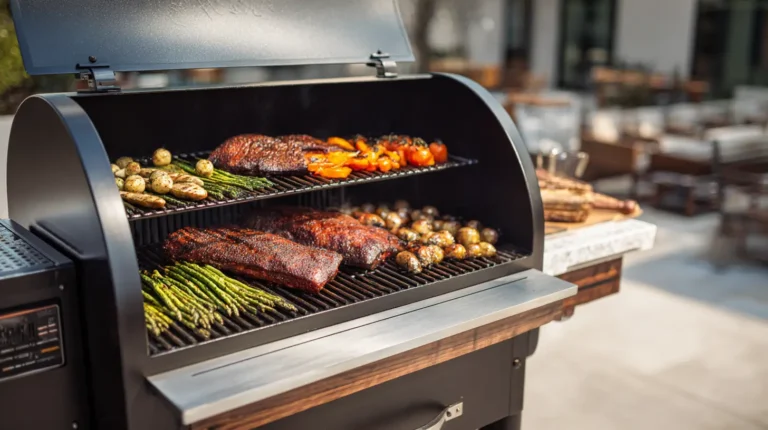
Beef back ribs work for different occasions. Summer barbecues are the obvious choice when you can spend a few hours tending a grill or smoker while people hang out in the backyard. But they’re also excellent for Sunday dinners when you want something that fills the house with amazing smells while it cooks low and slow in the oven.
I’ve made these for casual weeknight dinners using a pressure cooker, and they still turn out impressive. The key is planning ahead so you have time for the cooking method you choose. If you’re looking for other hearty dishes, this Hawaiian Beef Stew Recipe is another excellent option.
What You’ll Need
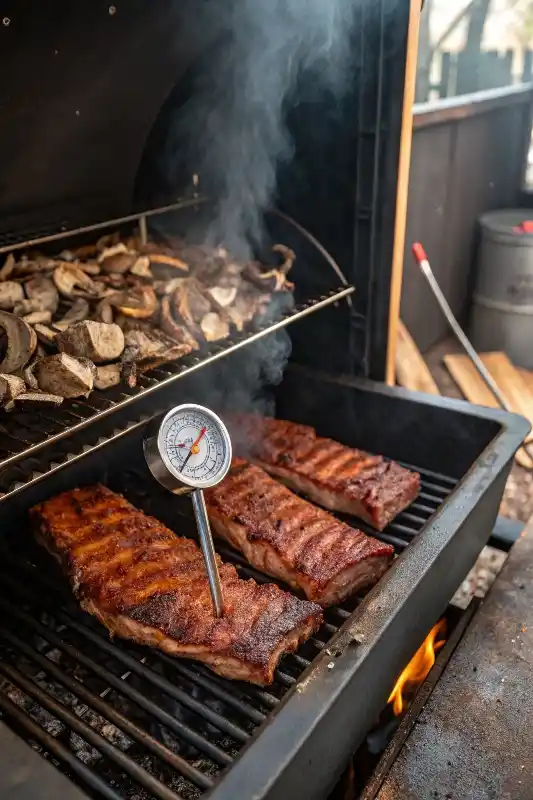
The equipment list isn’t complicated. A sharp knife helps with trimming fat and removing the membrane on the underside of the ribs. Paper towels give you grip when peeling off that membrane, which is tougher to remove than you’d think. Using a meat thermometer eliminates uncertainty about the doneness of beef ribs, as the timing varies depending on their thickness.
For ingredients, you’ll need beef back ribs, obviously, plus whatever seasonings appeal to you. A basic dry rub works excellently with salt, pepper, paprika, garlic powder, and a touch of brown sugar. Some people prefer marinating overnight in a mixture of soy sauce, vinegar, and oil. Both approaches work; it just depends on whether you have time to plan ahead.
Picking Good Ribs
At the butcher counter or meat section, look for racks with a decent amount of meat between the bones. The color should be bright red, not brown or gray. Some marbling throughout the meat is good; that fat will render during cooking and keep everything moist. Avoid racks that look dried out or have a weird smell.
Grass-fed beef tends to be leaner with a slightly different flavor profile, more earthy and less rich. Grain-fed beef usually has more marbling, which translates to juicier, more tender results. Neither is better; it’s just personal preference. I tend to go for grain-fed when I’m making ribs because I like that extra richness, but grass-fed works fine if that’s what you prefer.
Getting Them Ready
The first thing is trimming any large chunks of firm fat. Leave a thin layer because some fat is good for flavor, but those thick white pieces won’t render properly and will just get in the way. Then flip the ribs over so the bone side faces up. You’ll see a thin, shiny membrane stretched across the bones. Gently slide a knife beneath one corner, grasp it with a paper towel, and carefully lift it off in a single piece if possible.
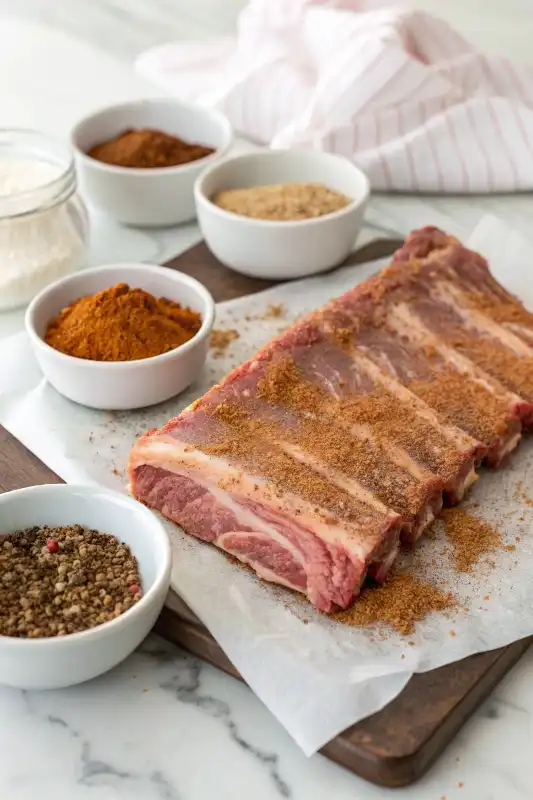
Removing the membrane makes a real difference. It allows seasonings to penetrate from both sides and prevents that rubbery texture you sometimes get on the underside of ribs. Some people skip this step, but I’d strongly recommend taking the extra minute to do it properly.
For seasoning, you can either marinate or use a dry rub. Marinating works best if you have time to let the ribs sit overnight in the fridge. The acidity in marinades helps break down tougher fibers while adding flavor. Dry rubs are faster and create a lovely crust during cooking. You could also do both: marinate first, then apply the rub before cooking.
Cooking Methods
Beef Back Ribs Recipe Using a Smoker
Smoking is the classic approach if you want that deep, smoky flavor in every bite. Set your smoker around 225 degrees and plan on 4 to 6 hours of cooking time. Hickory and oak are traditional choices for beef, though cherry wood adds interesting sweetness. The key is maintaining a steady temperature and adding wood chips periodically so the smoke stays consistent.
Low and slow is the mantra here. The gentle heat breaks down connective tissue gradually, turning what would be tough meat into something that practically falls off the bone. Check the temperature toward the end; you’re aiming for somewhere between 190 and 205 degrees internally.
Using the Grill
Grilling gives you nice char marks and a bit of crust on the edges. Set up your grill with indirect and direct heat zones. Start the ribs over indirect heat at medium temperature, around 350 to 375 degrees. This mimics oven cooking while still giving you that grilled flavor.
After an hour and a half or so, move the ribs over direct heat for the last 10 to 15 minutes. This caramelizes any sauce you’ve brushed on and crisps up the exterior. Watch for flare-ups since the fat can drip and cause flames. Keep a spray bottle of water handy if things get too hot. For more grilling ideas, explore these Best Griddle Recipes.
Oven Method
The oven is probably the most reliable option if you don’t have outdoor space or just prefer cooking inside. Heat it to 275 degrees, wrap the seasoned ribs in foil or butcher paper, and let them go for 3 to 4 hours. The wrapping traps moisture and creates a sort of steam environment that keeps the meat from drying out.
Near the end, unwrap the ribs, brush on your sauce, and stick them under the broiler for a few minutes. This adds color and helps the sauce set into a nice glaze. Just watch them closely since broilers can go from perfect to burnt pretty quickly.
Pressure Cooker Shortcut
If you’re short on time, a pressure cooker can transform these ribs in under an hour. Add about a cup of liquid, either water, broth, or your marinade. Cook on high pressure for 25 to 30 minutes, then let the pressure release naturally for 10 minutes before opening.
The ribs won’t have that smoky depth or crispy exterior, but you can fix that by finishing them under the broiler or on a hot grill with some sauce. It’s a good compromise when you want beef back ribs but don’t have all afternoon to cook them.
The Actual Recipe
Here’s a straightforward version that works with any cooking method. Start with 2 to 3 pounds of beef back ribs. For the dry rub, mix together 2 tablespoons brown sugar, 1 tablespoon smoked paprika, 1 teaspoon each of garlic powder, onion powder, and salt, half a teaspoon black pepper, and half a teaspoon cayenne if you like heat.
If you’re marinating instead, combine a quarter cup of olive oil, 2 tablespoons of soy sauce, 1 tablespoon of Worcestershire sauce, 2 tablespoons of apple cider vinegar, and 1 tablespoon of minced garlic. Let the ribs sit in this mixture for at least 4 hours; overnight is better.
For smoking, set your smoker to 225 degrees and cook for 4 to 6 hours. For grilling, use indirect heat at 350 degrees for about 1.5 to 2 hours, finishing over direct heat. In the oven, wrap at 275 degrees for 3 to 4 hours. The pressure cooker needs 25 to 30 minutes on high pressure with a cup of liquid.
No matter which method you choose, let the ribs rest for 10 minutes after cooking. This redistributes the juices so they don’t all run out when you cut into them.
Sauce Considerations
Sauce is optional, but most people like it. You can make your own by simmering ketchup, brown sugar, apple cider vinegar, Worcestershire sauce, and spices until it thickens. Homemade sauce lets you control sweetness, heat, and tanginess to match your preferences.
Store-bought sauces work fine if you’re short on time. Look for ones without too many weird ingredients and choose a flavor profile that complements your rub. Smoky sauces work well with beef, as do spicy or tangy versions. Avoid overly sweet sauces that can overpower the beef flavor.
Apply sauce in the last 10 to 15 minutes of cooking. Sugar in the sauce will burn if exposed to heat too long, leaving a bitter taste. Some people prefer serving sauce on the side so everyone can add as much or as little as they want. For more sauce inspiration, check out this Cane’s Sauce Recipe.
What to Serve Alongside
Beef back ribs are rich, so lighter sides work best. Coleslaw is classic for a reason; the tangy crunch cuts through all that fatty richness. A simple green salad with vinaigrette does the same thing. Roasted vegetables like carrots, zucchini, or bell peppers add color and natural sweetness without competing with the ribs.
Let’s be honest, beef back ribs are the star of the show, but every star needs a strong supporting cast. A side of perfect roasted potatoes brings just the right amount of crispy, golden comfort to the plate. Want to lean into Southern flair? Try a slice or two of Southern cornbread; it’s slightly sweet, a little crumbly, and totally made to mop up that juicy rib sauce.
If you’re craving something creamy and satisfying, the ranch beef bowtie skillet with sweet corn checks every box. And if you’re going full Southern BBQ, don’t miss our tips on what goes with dirty rice, because a great side makes the whole meal sing.
For drinks, lemonade with fresh mint is refreshing and cuts through the richness. Iced tea works too, sweetened or unsweetened depending on your preference. Sparkling water with lemon or cucumber is good if you want something lighter.
Things to Keep in Mind
Don’t skip removing the membrane. It seems like a small thing, but it really does affect the final texture and how well the seasonings penetrate. Use a meat thermometer instead of guessing. The internal temperature should hit somewhere between 190 and 205 degrees for that fall-off-the-bone tenderness.
Low and slow is almost always better than hot and fast with beef back ribs. Higher temperatures can dry out the meat before the connective tissue breaks down. Patience pays off here. Let the ribs rest after cooking; even just 10 minutes makes a difference in how juicy they are.
Don’t be afraid to experiment with your rub or marinade. Add different spices, try new wood chips for smoking, or test out various sauces. Once you understand the basic technique, you can adjust flavors to suit your taste. For more beef cooking tips, this Arm Roast Recipe covers similar principles.
Storing Leftovers
Leftover ribs keep in the fridge for 3 to 4 days if wrapped tightly in foil or stored in an airtight container. Reheat them gently in a 250-degree oven with a splash of water or broth to keep them from drying out. You can also reheat on the grill over low heat, brushing with sauce near the end.
For longer storage, freeze them wrapped tightly in freezer paper or heavy-duty foil. They’ll keep for up to 3 months. Thaw in the fridge overnight before reheating. The texture won’t be quite as good as fresh, but they’re still pretty tasty.
Avoid reheating in the microwave if possible. It tends to make the meat rubbery and dries it out unevenly. If you must use a microwave, do short bursts at medium power with a damp paper towel covering the ribs.
Common Questions
Can you cook them frozen?
Technically yes, but it’s not ideal. Thawing first ensures more even cooking. If you’re in a rush, you can cook from frozen in a pressure cooker; just add about 50 percent more time. Smoking or grilling from frozen is trickier because the outside can overcook before the inside thaws.
How long to marinate?
Minimum 4 hours, but overnight is better. The longer the marinade has to work, the more flavor penetrates the meat. If you only have 30 minutes, it’s better than nothing but won’t make as much difference. Don’t marinate longer than 24 hours, though; the acid can start breaking down the meat too much and make it mushy.
What temperature to cook at?
For smoking, stick around 225 degrees. Grilling works at 350 to 375, keeping the ribs over indirect heat most of the time. Oven-baking does well at 275 degrees. Pressure cooking uses high pressure for 25 to 30 minutes. The internal temperature should reach 190 to 205 degrees for tender results.
How do you know when they’re done?
A meat thermometer is the most reliable way. Between 190 and 205 degrees internally means tender ribs. The bend test is also an option: if the rack bends in the middle and the meat cracks slightly on top, it’s ready. If they’re still stiff, they need more time.
Wrapping It Up
Beef back ribs aren’t complicated once you understand the basics. Pick good meat, prep it properly, cook low and slow with whatever method suits your setup, and don’t rush the process. The result is tender, flavorful ribs that taste like you spent way more effort than you actually did.
Start with the basic recipe and then adjust based on what you like. Maybe you prefer more heat, or a sweeter sauce, or different wood for smoking. The technique stays the same, but the flavors can change to match your taste. After making these a few times, you’ll develop your own approach that works best for you.
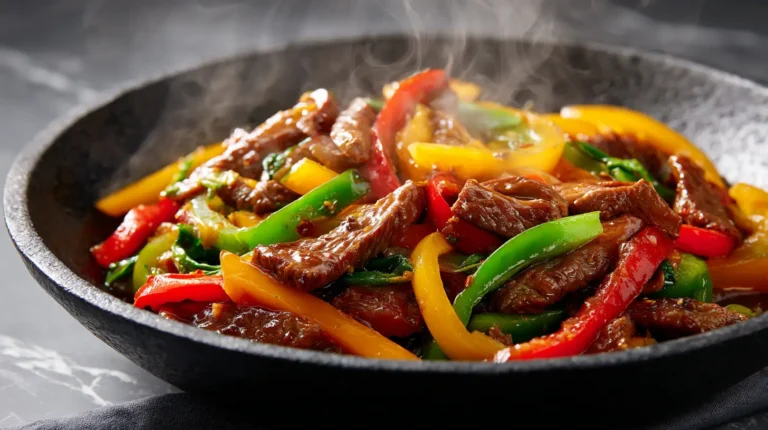
The main thing is giving them enough time to cook properly. Whether that’s a few hours in a smoker, a lazy afternoon in the oven, or 30 minutes in a pressure cooker, the key is not rushing. Good ribs are worth the wait. For more hearty meal ideas, check out these Best Chicken Recipes, or try this Beef Stir Fry Recipe for a quicker option.

Beef Back Ribs
Ingredients
Main Ingredients
- 2-3 pounds beef back ribs Look for racks with a decent amount of meat.
Dry Rub Ingredients
- 2 tablespoons brown sugar
- 1 tablespoon smoked paprika
- 1 teaspoon garlic powder
- 1 teaspoon onion powder
- 1/2 teaspoon black pepper
- 1/2 teaspoon cayenne pepper Optional for heat.
- 1 teaspoon salt
Marinade Ingredients (optional)
- 1/4 cup olive oil
- 2 tablespoons soy sauce
- 1 tablespoon Worcestershire sauce
- 2 tablespoons apple cider vinegar
- 1 tablespoon minced garlic
Instructions
Preparation
- Trim any large chunks of firm fat from the ribs, leaving a thin layer for flavor.
- Remove the membrane from the underside of the ribs for better seasoning penetration.
- Season the ribs with either a dry rub or marinate them in the marinade for at least 4 hours, preferably overnight.
Cooking Methods
- For smoking: Preheat smoker to 225°F. Cook the ribs for 4 to 6 hours, maintaining a steady temperature.
- For grilling: Set up the grill for indirect heat at 350°F. Cook for about 1.5 to 2 hours, moving to direct heat for the last 10-15 minutes.
- For oven baking: Preheat oven to 275°F. Wrap seasoned ribs in foil and cook for 3 to 4 hours.
- For pressure cooking: Add a cup of liquid to the cooker and cook on high pressure for 25-30 minutes with a natural pressure release.
Finishing
- Let the ribs rest for 10 minutes after cooking to redistribute the juices.