Can I Use an Air Fryer as a Dehydrator? Top Tips You Need Now!
Air fryers keep getting more popular, partly because they’re decent at multiple things instead of being excellent at just one. Most people buy them for making crispy food without deep frying, but they can also bake, roast, and apparently dehydrate. While dehydrating may seem like a daunting task, with the correct settings and patience, it can actually work fairly well.
The question isn’t really whether an air fryer can dehydrate food; it can. The real question is whether the Instant Pot can perform this function well enough to eliminate the need for a dedicated dehydrator. For some people and some foods, the answer is yes. For others, not so much. It depends on what you’re trying to make and how much of it.
Can I Use an Air Fryer as a Dehydrator?
Air fryers work by circulating hot air around food at high speeds. The rapid movement creates a crispy exterior similar to deep frying but without submerging anything in oil. It’s basically a small convection oven with a powerful fan and a basket that lets air hit food from all sides.
Most air fryers heat up quickly and cook food fast. That’s their main appeal: getting dinner done in twenty minutes instead of an hour. They’re compact, easy to clean, and don’t heat up your whole kitchen like a regular oven does.
The size and speed that make them good at cooking also create limitations for dehydrating. Dehydration needs low, steady heat over long periods, which isn’t what air fryers were designed for. But newer models have expanded temperature ranges and dedicated dehydrate settings that make it possible.
How Dehydrators Work
Dehydrators are single-purpose machines that remove moisture from food by circulating warm air at low temperatures. They typically run between 95 and 165 degrees Fahrenheit, depending on what you’re drying. The process takes hours, sometimes overnight, but the results are consistent.
Most dehydrators have stackable trays that let you dry large batches at once. The design prioritizes even airflow and temperature distribution. You load them up, set the temperature, and walk away until it’s done. No flipping, no rotating, and minimal babysitting required.
They’re not flashy appliances. They do one thing and do it well. If you dehydrate food regularly or in large quantities, a dedicated dehydrator makes sense. For occasional small batches, an air fryer can probably handle it.
Can Air Fryers Actually Dehydrate
The short answer is yes, with caveats. Many air fryers can reach low temperatures that dehydrate food. Models with settings down to 120 degrees or below work best. Higher minimum temperatures mean you’re basically cooking slowly rather than truly dehydrating, which changes the texture and can affect shelf life.
The circulation is different too. Air fryers move air quickly to cook fast. Dehydrators move air more gently for slow, even drying. This difference means you might get uneven results in an air fryer unless you rotate food periodically. For more techniques on preserving food, refer to these dehydrator recipes.
Capacity is another issue. Air fryer baskets are small compared to dehydrator trays. You’re limited to single layers with space between pieces for airflow. That means small batches, which is fine for personal use but not great if you’re trying to preserve a bushel of apples or make jerky for a camping trip.
Temperature Control
Temperature matters more for dehydrating than most other cooking methods. Too hot and you cook the outside while leaving moisture inside. Too cool, and you risk bacterial growth before the food dries properly.
Traditional dehydrators operate in a narrow range optimized for different foods. Fruits do well at 135 degrees, vegetables at 125, herbs at 95, and meats need 160 for safety. Air fryers typically start higher, often at 180 degrees minimum, though newer models go lower.
If your air fryer doesn’t go below 170 or so, you can still dehydrate, but you’ll need to watch it more carefully. Shorter times at slightly higher temps can work, but it takes experimentation to figure out what works for your specific model and the food you’re drying.
Preparing Food
Prep work is the same whether you’re using an air fryer or dehydrator. Wash everything thoroughly. Slice fruits and vegetables uniformly so they dry at the same rate. Thinner slices dry faster but can get brittle. Quarter-inch thickness works for most things.
Some foods need pretreatment. Apples, pears, and peaches brown quickly after slicing. Soaking them in lemon water for five minutes prevents discoloration without affecting taste much. Vegetables like carrots and green beans benefit from blanching before dehydrating, which helps preserve color and texture.
For meats, use lean cuts and trim all visible fat. Fat doesn’t dehydrate and goes rancid eventually. Marinate overnight for flavor, then pat dry before putting pieces in the air fryer. Slice against the grain so the finished jerky isn’t too chewy.
Dehydrating Fruit
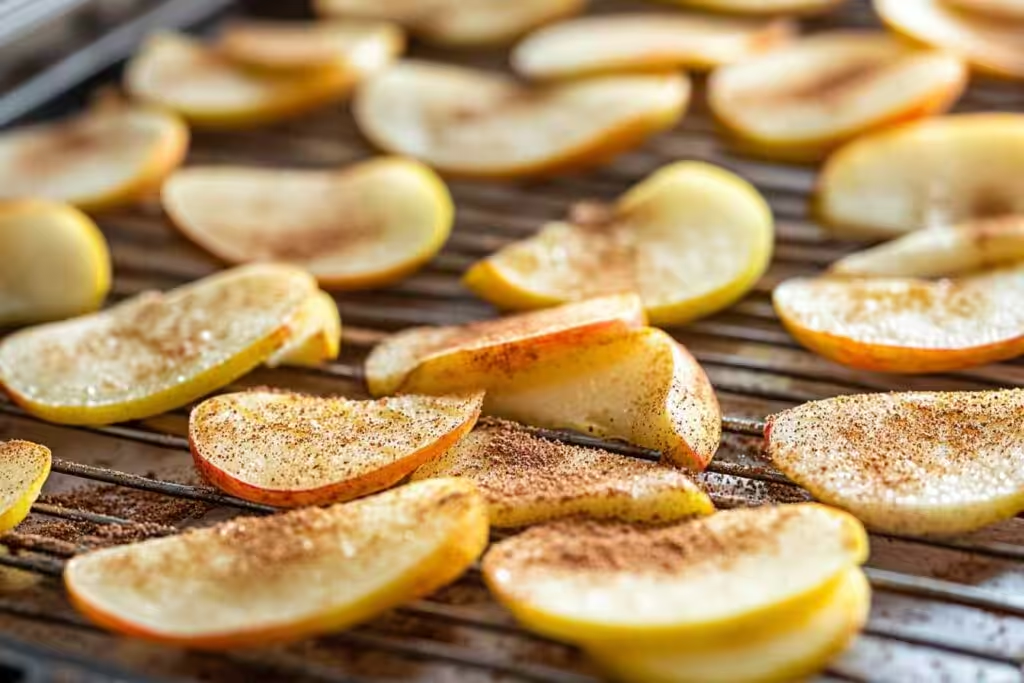
Fruit is probably the easiest thing to dehydrate in an air fryer. Apples, bananas, strawberries, and mangoes—they all work well. The natural sugars concentrate as water evaporates, making them sweet without adding anything.
Set the air fryer to 135 degrees if it goes that low. Arrange slices in a single layer without overlapping. Check after two hours and flip the pieces. Most fruits take three to six hours total, depending on thickness and water content. Bananas dry faster than apples, and berries faster than pineapple.
They’re done when they’re leathery but still pliable. Let them cool completely before storing. If there’s any moisture left, they’ll mold in the container. Pack them in airtight jars or bags, and they’ll last months.
Dried fruit makes good snacks by itself or mixed into trail mix, granola, or baked goods. The concentrated flavor is more intense than fresh fruit, so you need less in recipes.
Dehydrating Vegetables
Vegetables dehydrate well in air fryers but need slightly different handling than fruit. Kale chips are popular because they crisp up nicely. Toss leaves with a tiny bit of olive oil and seasoning, then dehydrate at 125 degrees for about an hour. They should be crispy, not chewy.
Root vegetables like carrots, beets, and sweet potatoes work too. Slice them thin with a mandoline or sharp knife. Blanch for two minutes, cool in ice water, then pat dry before air frying. This extra step keeps them from turning brown and helps maintain texture.
Zucchini has high water content and takes longer to dry completely. Slice it thin and expect four to five hours at low temperature. The same with tomatoes, which shrink considerably as moisture evaporates but develop an intense, concentrated flavor.
Dehydrated vegetables are useful for soups, stews, and camping meals. Toss them straight into whatever you’re cooking, and they’ll rehydrate in the liquid.
Making Jerky
Jerky is one area where air fryers can struggle compared to dehydrators. The higher minimum temperature on most air fryers means you’re partly cooking the meat rather than just drying it. That’s fine for safety but changes the texture slightly.
Use lean beef, turkey, or chicken. Slice it thin, about a quarter inch, and marinate overnight. A basic marinade might be soy sauce, Worcestershire, garlic powder, black pepper, and maybe some brown sugar. Pat the strips dry before putting them in the air fryer.
Set the temperature to 160 degrees for food safety. Arrange strips without touching and dehydrate for four to six hours, flipping every hour. It’s done when it bends without breaking but doesn’t feel moist. Let it cool completely, then store it in airtight containers.
Homemade jerky is way better than the gas station kind, and you control exactly what goes into it. It’s also cheaper per ounce if you buy meat on sale.
Herbs and Spices
Fresh herbs from the garden can be preserved by dehydrating them in an air fryer. Basil, oregano, thyme, parsley, and cilantro—they all work. Wash and pat them completely dry, then lay them flat on the air fryer rack.
Use the lowest temperature your air fryer offers, ideally under 115 degrees. Herbs are delicate, and high heat destroys the essential oils that give them flavor. Check after thirty minutes. Most herbs dry within one to two hours.
They’re done when leaves crumble easily. Remove the leaves from the stems and either store them whole or crush them. Dried herbs are more concentrated than fresh, so use about a third as much in recipes. They last for months in sealed jars away from light and heat.
Air Fryer vs Dehydrator
So which is better? It depends entirely on your situation. Air fryers are faster and more versatile. If you already own one, it makes sense to try dehydrating before buying another appliance. They work fine for small batches and occasional use.
Dehydrators have more capacity and produce more consistent results. If you plan to dehydrate regularly or in large quantities, they’re worth the investment. They’re also more energy-efficient for long runs since they operate at lower wattages.
Cost is a factor too. You can get a basic dehydrator for fifty bucks, though better models cost more. Air fryers range from forty to several hundred depending on size and features. If you don’t already have an air fryer, buying one just for dehydrating doesn’t make much sense.
Monitoring Progress
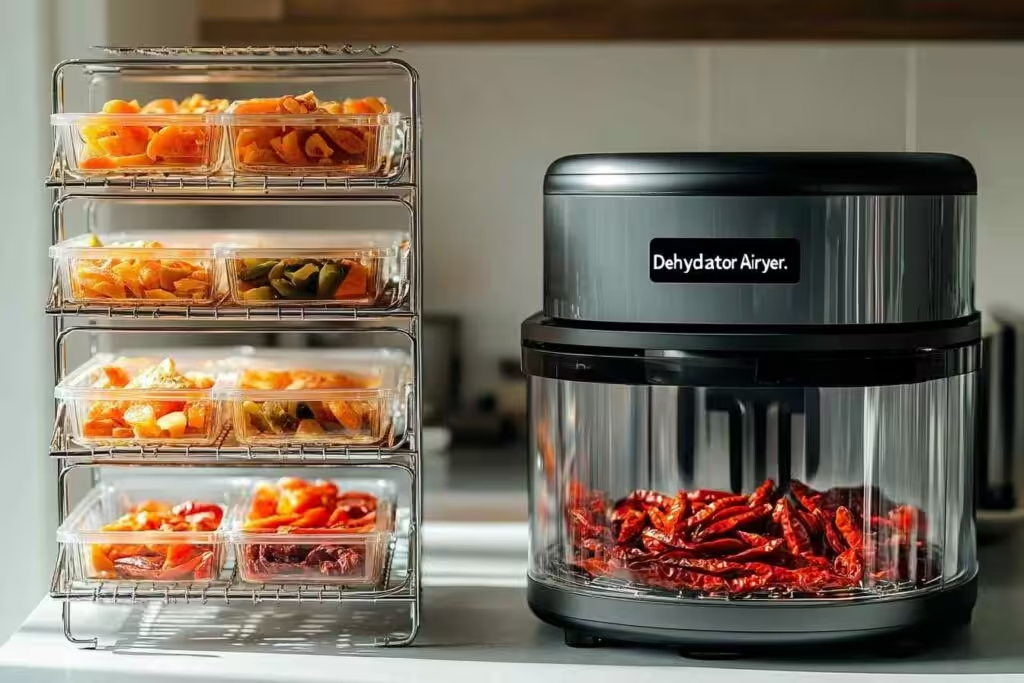
Dehydrating in an air fryer requires more attention than using a dedicated dehydrator. Check food every thirty to sixty minutes, especially the first few times you try it. Flip pieces for even drying and rotate trays if your model has multiple racks.
Different foods give different visual cues when done. Fruit should be pliable like leather, not sticky or brittle. Vegetables should be completely dry and crispy. Jerky bends without breaking but has no wet spots. Herbs crumble easily between your fingers.
If something isn’t drying evenly, adjust the arrangement or temperature. Some air fryers have hot spots that dry certain areas faster. Learning your machine’s quirks takes a few trial runs, but then you’ll know what to expect.
Storage
Proper storage makes the difference between food that lasts months and food that molds in a week. Everything must be completely cool before sealing. Even slight warmth creates condensation in the container, which ruins dehydrated food fast.
Use airtight containers or vacuum-sealed bags. Mason jars work well for things you’ll use within a few months. For longer storage, vacuum sealing removes air that causes oxidation and staleness. Some people add oxygen absorbers to jars for extra protection.
Store everything in a cool, dark place. Light and heat degrade quality over time. Label containers with contents and date so you know what’s what six months later. Check stored food occasionally for any signs of moisture or mold.
Common Problems
Uneven drying is the most frequent issue with air fryers. Pieces near the heating element dry faster than those farther away. Combat this by rotating food every hour and arranging pieces with space between them for airflow.
Over-drying makes food too hard or brittle. Check doneness earlier than expected and remove pieces as they finish rather than waiting for everything at once. Under-drying leaves moisture that causes spoilage. When in doubt, dry longer rather than shorter.
Some air fryers run hotter than their displayed temperature. If everything keeps burning or cooking instead of drying, get an oven thermometer to check the actual temperature. You might need to set it lower than the recipe suggests.
Hybrid Models
Manufacturers are catching on that people want multipurpose appliances. Newer air fryer models increasingly include dehydrate functions with appropriate temperature ranges and settings. These hybrid machines work better for dehydrating than older air fryers that weren’t designed with it in mind.
Some models even have dedicated dehydrator trays with tighter mesh to prevent small pieces from falling through. If you’re shopping for an air fryer and think you might dehydrate food, look for one with temperatures below 130 degrees and ideally a dehydrate preset.
These hybrids cost more than basic air fryers but less than buying separate appliances. They’re good compromises for people with limited kitchen space or those who want flexibility without cluttering counters.
Practical Uses
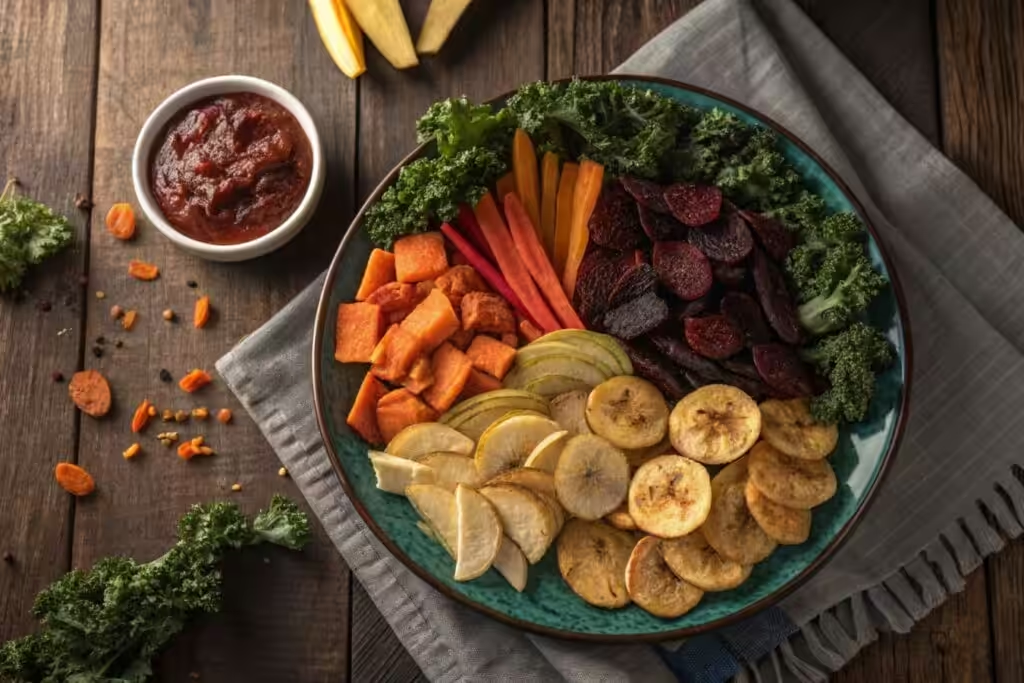
Beyond making snacks, dehydrated foods have practical applications. Backpackers and campers use them to reduce pack weight. A dehydrated meal weighing ounces rehydrates with hot water into a full dinner without carrying heavy cans or dealing with spoilage.
Gardeners use dehydration to preserve harvest surpluses. Instead of trying to eat fifty tomatoes in a week or watching them rot, dry them for winter soups and sauces. Same with herbs, peppers, and summer fruits.
Emergency preparedness is another angle. Dehydrated food stores compactly and lasts years if done properly. It’s lighter and takes less space than canned goods, making it practical for keeping backup supplies without dedicating a whole pantry to it. For more food preservation ideas, explore these chicken and potato recipes that work well with dehydrated vegetables.
Energy Efficiency
Air fryers use more electricity than dehydrators for the same task. They operate at higher wattages and aren’t optimized for the long, low-heat runs dehydration requires. A typical air fryer pulls 1200-1500 watts, while most dehydrators use 400-600 watts.
For a six-hour dehydration session, that difference adds up. If energy costs matter to you, factor that into your decision. The convenience of using an appliance you already own might outweigh the extra electricity for occasional use, but frequent dehydrating makes a dedicated unit more economical.
Cleaning
Dehydrating can leave sticky residue from fruit sugars or oil from vegetables. Most air fryer baskets are dishwasher safe, which makes cleanup easier. Soak stubborn spots in warm soapy water before scrubbing.
Wipe down the heating element and fan area periodically. Bits of food or seasoning can accumulate and affect performance or smell. Don’t submerge the base or get water in electrical components, obviously.
Dehydrators are often easier to clean because food doesn’t stick as much at lower temperatures. Their trays typically come apart for washing. Air fryers need more attention since the compact design can trap crumbs and debris in corners.
Common Questions
How do you dehydrate in an air fryer?
Set the temperature as low as your air fryer allows, ideally between 120 and 140 degrees. Arrange food in a single layer with space between pieces. Check every hour, flipping items for even drying. Most things take two to six hours depending on thickness and moisture content.
Is an air fryer as effective as a dehydrator for dehydrating food?
For small batches and occasional use, air fryers work fine. They’re faster but have less capacity and can be less consistent. Dedicated dehydrators handle larger quantities better and produce more uniform results. It depends on how much and how often you plan to dehydrate.
How long to dehydrate chilies in an air fryer?
Chilies usually take three to five hours at 125-135 degrees. Slice them uniformly and check every hour. They’re done when completely dry and brittle. Thicker varieties take longer than thin-walled peppers.
How long to dehydrate carrots in an air fryer?
Thinly sliced carrots take two to four hours. Blanch them first for better color and texture. They should be completely dry and brittle when done, with no soft spots remaining.
Final Thoughts
Using an air fryer as a dehydrator is absolutely possible and works reasonably well for many foods. It’s not perfect; capacity is limited, and results can be inconsistent without attention. But for people who already own an air fryer and want to try dehydrating without buying another appliance, it’s a practical option.
Start with simple projects like apple chips or banana slices. Get comfortable with how your specific model performs and what adjustments it needs. Then experiment with more complex things like jerky or vegetable chips. You’ll figure out what works through trial and error.
If you find yourself dehydrating frequently or in large batches, a dedicated dehydrator becomes worth considering. They’re designed specifically for this purpose and handle it better. But for occasional small-scale dehydrating, an air fryer is perfectly adequate and saves the cost and space of another kitchen gadget.
The key is understanding the limitations and working within them. Air fryers weren’t meant to be dehydrators, but with some adaptation they can fill that role well enough for most home cooks. Whether that’s sufficient for your needs is something only you can decide based on how much dehydrating you actually plan to do.