Is Thin Crust Pizza Healthy?
Is Thin Crust Pizza Healthy?
Friday night in our house means pizza. Always has. Nicolas orders from our favorite place downtown, and we all argue over toppings. Last month, I switched from regular crust to thin crust, thinking I was being healthy. Nicolas laughed. “You really think that makes a difference?”
Honestly? I wasn’t sure. So I started digging into what actually makes thin crust pizza healthy—or not. Turns out, it’s more complicated than just “less dough equals healthier.” The crust matters, but so do the toppings, the cheese, the portion size, and everything.
What Is Thin Crust Pizza?
Thin crust pizza uses way less dough than regular or deep-dish. Think crispy, almost cracker-like texture versus thick, bready crust. Neapolitan pizza from Italy? Thin crust. Are you referring to New York-style pizza, which is typically folded in half? The crust should also be thin.
Less dough generally means fewer calories and carbs. But here’s where people get tripped up—the crust is just one part of the equation. Load that thin crust with extra cheese and pepperoni, and you’ve basically canceled any health benefits.
The actual nutrition of thin-crust pizza
Let’s talk numbers because that’s where this gets intriguing.
Thin Crust vs Regular Crust Calories
One slice of thin-crust pizza has about 150–200 calories, depending on size and toppings. Should you opt for a regular or thick crust? You’re looking at 250-400 calories per slice. That difference adds up fast over a whole pizza.
I tested the effect myself. I ate three slices of thin crust one Friday, tracked it. I also consumed three slices of regular crust the following week. The thin crust meal came in around 500 calories total. Regular crust pushed 900. The toppings were the same on both occasions.
Breaking Down the Macros
One slice of thin crust typically has:
- Protein: 8-10 grams (mostly from cheese)
- Carbs: 20-25 grams (less than thick crust’s 30-40 grams)
- Fat: 7-10 grams (depends heavily on cheese amount)
Those carbs still matter if you’re watching your intake. But it’s better than thick crust and way better than stuffed crust pizza (which is basically bread stuffed with more bread and cheese).
Why Thin Crust Pizza Can Actually Be Healthy
The Calorie Savings Are Real
Saving 100-150 calories per slice doesn’t sound like much until you do the math. Three slices? That’s 300-450 fewer calories. Over a month of weekly pizza nights, those savings add up without you even trying.
Our oldest daughter started eating thin crust when she got serious about soccer training. Same pizza night tradition, just smarter choices. She lost five pounds over a couple of months without changing anything else.
Nutrient Density Depends on Toppings
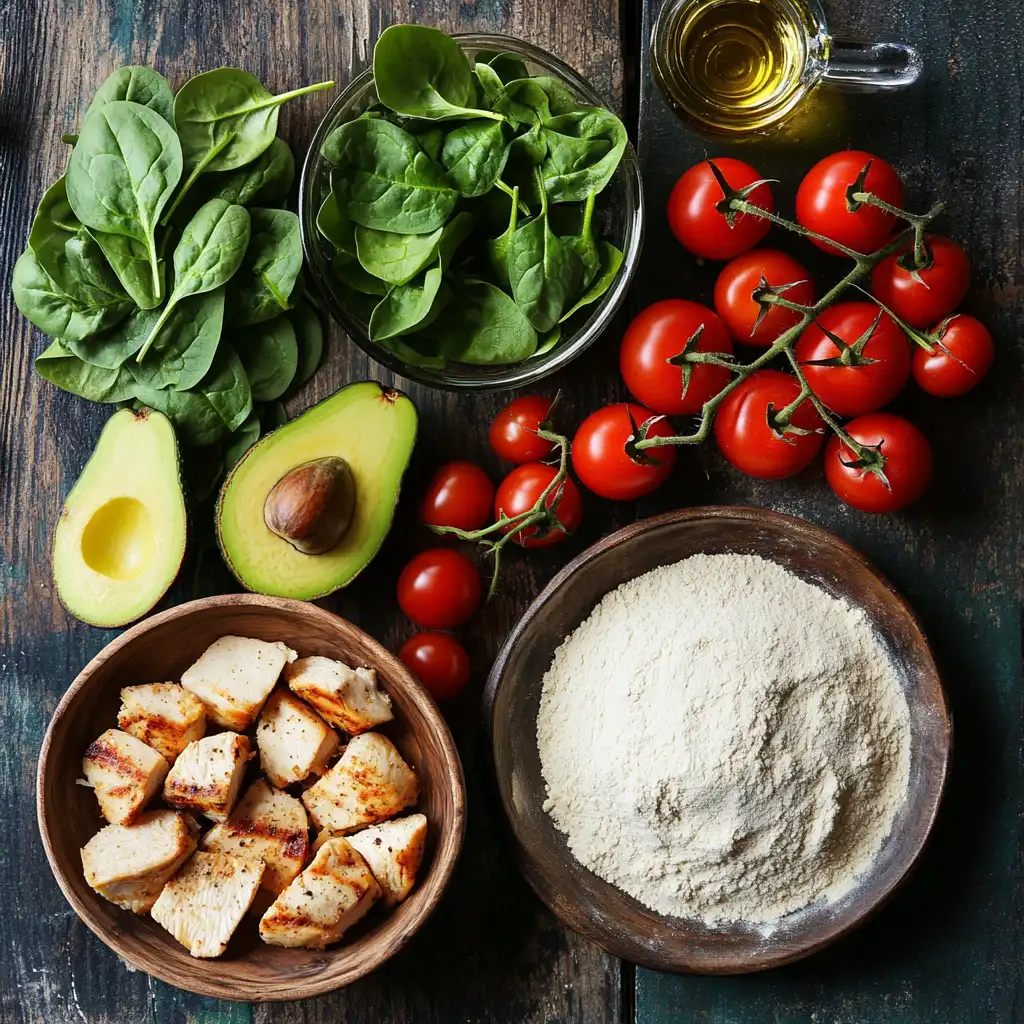
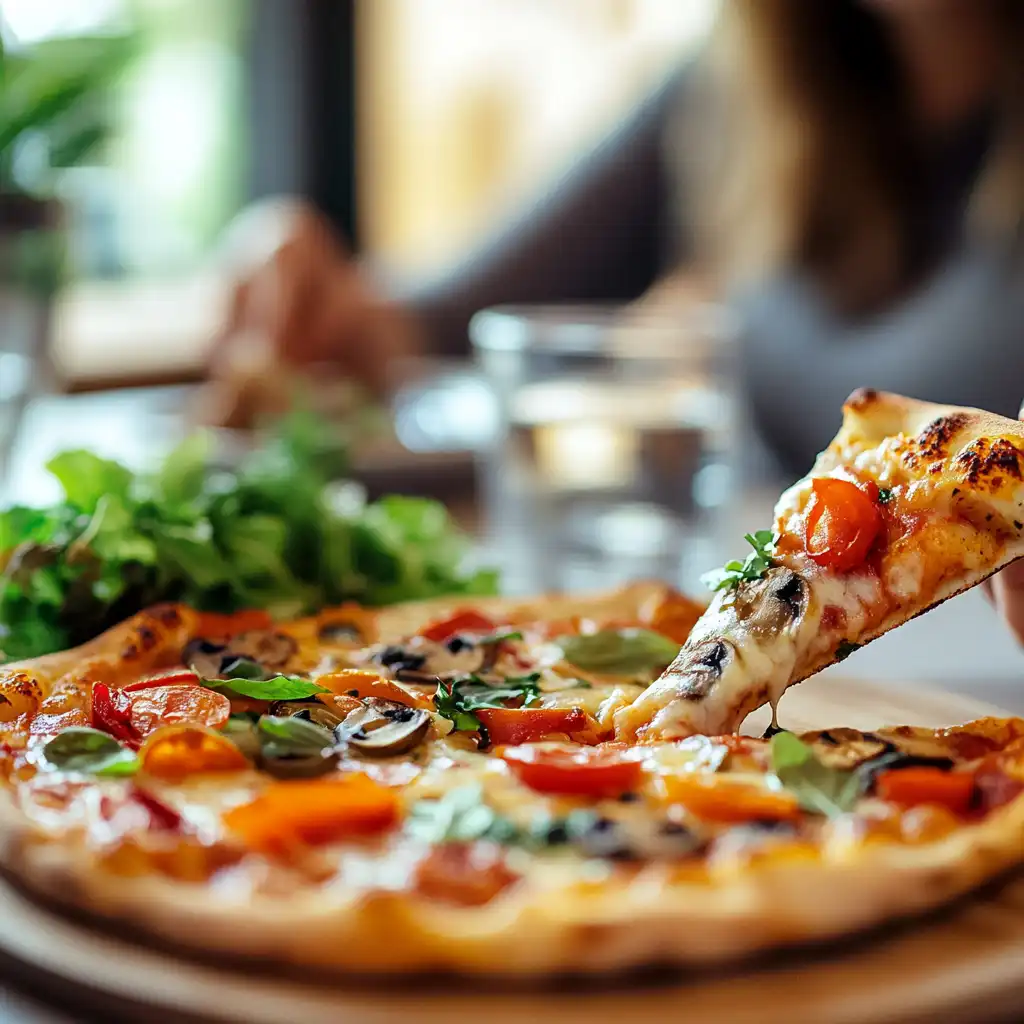
This is where you can really make thin-crust pizza healthy. Load it with vegetables—spinach, mushrooms, bell peppers, onions, and tomatoes. Add lean protein like grilled chicken or shrimp instead of fatty meats.
I started making our own pizzas at home about six months ago. We use a whole wheat thin crust, light cheese, and an abundance of vegetables in our pizzas. Nicolas was skeptical until he actually tried it. Now he requests it. For more veggie-loaded meal ideas, check out our stuffed bell peppers recipe.
Portion Control Gets Easier
Thick crust pizza is heavy. It sits in your stomach like a brick, but somehow you keep eating. Thin crust? Lighter, easier to stop after two or three slices. You still get the pizza satisfaction without feeling stuffed.
Think of it like this—thin crust lets you enjoy pizza without the food coma after.
Is Thin Crust Pizza Healthier Than Thick Crust?
Is Thin Crust Pizza Healthy?
Short answer: usually, yeah.
- Less refined flour: Less dough means less of the white flour that spikes blood sugar
- Lower calories: Makes portion control way easier
- Better for mindful eating: You focus on flavors, not just filling up on bread
Want another healthy pizza alternative? Our BBQ chicken cauliflower crust pizza is even lower in carbs.
The Refined Flour Problem
Most pizza crusts—thin or thick—use white flour. That’s low in fiber, digests fast, and spikes your blood sugar. Then you crash and want more food.
Better options exist:
- Whole wheat crust: More fiber, keeps you full longer
- Cauliflower crust: Low-carb, gluten-free, surprisingly good
- Sourdough crust: Easier to digest, better for gut health
I’ve tried all three. Cauliflower crust took some getting used to—different texture. But now? I actually prefer it sometimes. For more low-carb options, explore our cauliflower breakfast pizza.
Where Pizza Goes Wrong: Health-Wise
The Sodium Problem
Pizza is loaded with salt. Cheese has sodium. Sauce has sodium. Do processed meats such as pepperoni contain sodium? Sodium bombs.
I tracked my sodium intake for one week. A single pizza night pushed me over my daily limit for dinner. Too much sodium means bloating, water retention, and high blood pressure over time. If you’re watching sodium, our low-sodium recipe collection might help.
Calorie Creep from Extras
Even thin-crust pizza becomes unhealthy when you eat half of it in one sitting. Or add breadsticks. Or garlic knots. Or soda.
Nicolas can demolish six slices without blinking. That’s pushing 1200+ calories before sides or drinks. Moderation matters more than crust thickness.
Processed Ingredients Lurking
Frozen pizzas especially are packed with preservatives, artificial flavors, and trans fats. Check labels. Better yet, make your own or buy from places using real ingredients.
How to Make Thin Crust Pizza Actually Healthy
Start with a Better Crust
Your crust choice sets everything up. A white-flour thin crust is better than a thick crust, sure. But whole wheat or cauliflower crust is better than both.
I buy premade cauliflower crusts now. Saves time, tastes excellent, and has way fewer carbs. Nicolas didn’t even notice I switched until I told him.
Load Up on Smart Toppings
This is where you can transform pizza from junk food to actual nutrition:
- Vegetables: Spinach, mushrooms, tomatoes, onions, bell peppers, broccoli
- Lean proteins: Grilled chicken, turkey, shrimp
- Healthy fats: Avocado slices, drizzle of olive oil, a few nuts
Skip the greasy pepperoni and extra cheese. You won’t miss them if the pizza’s loaded with flavor from everything else. For more protein-rich meal ideas, try our high-protein pancakes.
Go Easy on the cheese.
Cheese is delicious. It’s also where most of pizza’s calories and saturated fat come from.
Use less cheese than you think you need. Or switch to part-skim mozzarella, goat cheese, or feta—they’re lower in calories but still flavorful. You can also try nutritional yeast for a cheesy flavor with way fewer calories.
Practice Actual Portion Control
Two to three slices is a reasonable serving. Pair your pizza with a large salad or roasted vegetables to fill you up without overdoing it.
Put your slices on a plate instead of eating from the box. Sounds simple, but it works. You’re less likely to mindlessly grab another slice.
Can You Eat Thin Crust Pizza on Special Diets?
Weight Loss Diets
Yeah, you can eat thin-crust pizza while losing weight. Just watch portions, load up on veggies, and go light on cheese. Make it part of your meal, not the entire meal.
I’ve been maintaining my weight for two years now while still having pizza Friday. It’s about balance, not deprivation.
Keto and Low-Carb Diets
Regular thin crust? Too many carbs for keto. But cauliflower crust or almond flour crust works perfectly. Load with cheese, meat, and low-carb veggies like spinach and zucchini.
My sister does keto and makes amazing cauliflower crust pizzas every week. She doesn’t even miss regular pizza anymore. For more keto-friendly options, refer to our low-carb breakfast ideas.
Vegan and Dairy-Free Options
Thin crust pizza works wonderfully for plant-based diets. Most crusts are naturally vegan. Skip the cheese or use vegan alternatives like cashew cheese or nutritional yeast.
Load up with vegetables, chickpeas, tofu, and avocado. You get all the pizza flavor without any animal products. Our vegan breakfast collection has more plant-based inspiration.
Myths About Thin Crust Pizza
Myth: Thin Crust Is Always Healthy
Nope. Thin crust loaded with sausage, extra cheese, and white flour is still unhealthy. The crust matters, but toppings and portions matter more.
Myth: Pizza Can’t Be Nutritious
Also wrong. Is it possible to combine a whole wheat thin crust with vegetables, lean protein, and light cheese? That’s a balanced meal with carbs, protein, fat, vitamins, minerals, and fiber.
Pizza gets a bad rap because most people eat it in the worst possible way—thick crust, processed meats, tons of cheese, giant portions. But it doesn’t have to be that way.
How to Eat Pizza the Healthy Way
Eat Mindfully, Not Mindlessly
Slow down. Taste each bite. Put your slice down between bites. Stop when you’re satisfied, not when you’re stuffed.
I used to demolish pizza while watching TV, barely tasting it. Now I am truly seated at the table, savoring the moment, and consuming significantly less because I am fully engaged in the experience.
Pair it with salads or vegetables.
Start with a big salad before pizza. Or serve roasted vegetables on the side. You’ll eat fewer slices and still feel completely satisfied.
Our family rule now: pizza comes with salad. Always. Makes a huge difference. For more balanced meal ideas, explore our vegetarian soup recipes.
Hydrate, Hydrate, Hydrate
Pizza is salty. Drink water before, during, and after. Skip the soda—it just adds empty calories and makes you more thirsty.
I keep a big water bottle on the table during pizza night. It forces me to stay hydrated and aids in portion control.
Common Questions About Thin Crust Pizza Health
Can I Eat Thin Crust Pizza Every Day?
It’s probably not the optimal choice. Even healthy thin-crust pizza is still carb-heavy. Is it acceptable to consume it a couple of times a week? Fine. Daily? You’re missing out on nutritional variety.
What’s the Healthiest Crust Option?
Whole wheat or cauliflower crust wins here. Whole wheat has more fiber and nutrients. Cauliflower is lower in carbs and calories. Both are significantly superior to white flour.
How Do Thin Crust Pizza Calories Compare?
Thin crust pizza: 150-200 calories per slice. Compare that to a burger (400-600 calories), fried chicken sandwich (500-700 calories), or loaded burrito (800-1000 calories). Pizza’s actually not terrible calorie-wise if you’re smart about it.
Is Thin Crust Pizza Good for Weight Loss?
It can be, yeah. Watch portions, choose healthy toppings, and go for whole wheat or cauliflower crust. Make it part of a balanced diet, not your main food group.
I lost 15 pounds last year without giving up pizza. Just made smarter choices about crust, toppings, and portions. For more weight-loss-friendly meals, refer to our low-calorie lunch ideas.
Is thin-crust pizza healthy?
It can be. It all depends on how you prepare it and how much you consume.
Thin crust gives you a solid starting point—fewer calories, less refined flour, and easier portion control. But you still need to make smart choices about crust type, toppings, cheese amount, and serving size.
Our family still has pizza Friday. We just do it smarter now—cauliflower or whole wheat crust, tons of vegetables, light on cheese, and a big salad on the side. Everyone’s cheerful, nobody feels deprived, and we’re actually eating something nutritious.
Pizza doesn’t have to be junk food. With the right approach, it’s just dinner. For more healthy meal inspiration, explore our breakfast pizza recipes or low-sodium options.
So, thin crust pizza can absolutely be healthy. You just have to play your cards right.